Capability
Company knowledge: give the workspace your own context
A general model answers generally. Attaching company material to a workspace means answers start from how your company actually works — and it happens inside a place administrators control.
What company knowledge does
Company knowledge is the material a workspace can draw on when answering: the internal documents, processes and reference text a new colleague would need in their first week.
Without it, every member re-explains context in every prompt, and the quality of an answer depends on how well an individual described the company that day. With it, the context is attached once at workspace level and applies to everyone working there.
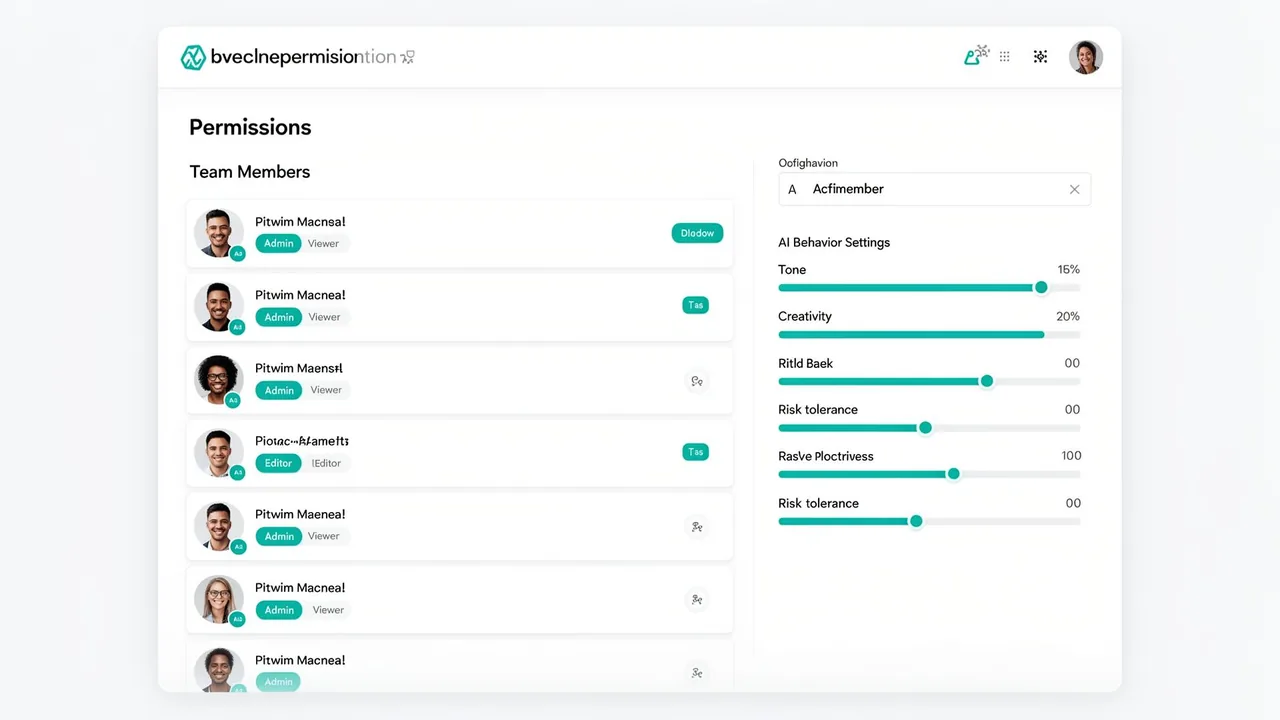
Access scope follows the workspace
Knowledge is attached to a workspace, and members of that workspace are the people who can benefit from it. This is why workspace boundaries matter: separating teams that should not share context is done by giving them separate workspaces, not by hoping nobody asks.
- Add material to the workspace where it belongs, not to a company-wide default.
- Keep sensitive material out of workspaces with broad membership.
- Review attached material when the underlying process changes — outdated context produces confidently outdated answers.
Knowledge and instructions work together
Company knowledge supplies the facts; workspace instructions supply the behavior. An instruction such as "answer using the attached process documents, and say when something is not covered" changes the character of the answers more than adding another document.
Set both, then review real answers from the team before adding more material.
Where the material goes
Attaching company material means that material can be used in the course of generating answers, which involves third-party AI providers. Treat this as a data-flow decision, not just a convenience feature, and involve whoever owns data handling in your company.
The security page describes what we can evidence about that flow and, just as importantly, what we do not attest to. If your review needs a specific written answer about a provider, retention or deletion, ask before uploading anything sensitive.
What this page does not claim
- We do not publish a supported file-format list, size limit, indexing latency or retrieval method here, because we do not have verified published figures for them. Ask and we will answer with what exists.
- We make no claim about deletion timelines, retention periods, backups, or exclusion of your material from model-provider training.
- No claim is made that answers are always grounded in your material or free of error — treat output as a draft to verify.
- There is no published claim of per-document permissions inside a workspace; the practical boundary is the workspace itself.
See the security and data handling page for what Botnea does and does not attest to.
Questions buyers ask
- What kinds of material make the biggest difference?
- Process documents, internal terminology, and examples of good past output. Material that a new colleague would need to answer a question correctly is usually a better start than volume.
- Can two teams share one knowledge set?
- If they work in the same workspace, they share its context. If they should not, use separate workspaces — that is the boundary the product enforces.
- Is our material used to train AI models?
- We do not publish a training-exclusion claim, because we will not assert something we cannot evidence in writing. Ask us directly before uploading sensitive material and we will tell you what we can confirm.
- How do we remove material we no longer want available?
- Ask us for the current deletion behavior in writing. We would rather answer specifically for your workspace than publish a general guarantee here.
Test it with one process document
Pick a single process your team answers questions about weekly. That is enough to judge whether workspace context improves the answers you get.